Explore Pediatric Occupational Therapy
Evaluation
School Readiness
School Readiness

A comprehensive occupational therapy evaluation looks beyond a child’s specific area of difficulty to understand the underlying skills that may be impacting participation at home, school and in the community. I use standardized assessments, clinical observation, and parent input to evaluate areas such as fine motor, visual-motor and visual perceptual skills, handwriting, motor planning, coordination, and other foundational developmental skills. Assessment findings are used to identify your child’s strengths, areas of need, develop individualized goals, and practical recommendations that support meaningful participation in everyday activities.
School Readiness
School Readiness
School Readiness
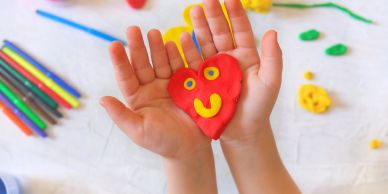
I help children develop the foundational skills needed to feel confident and successful as they enter and navigate the school environment. Using a multisensory and play-based approach, including Handwriting Without Tears, therapy may address pre-writing and handwriting skills, fine motor development, visual-motor and visual perceptual skills, classroom routines, following directions, body and safety awareness, and the ability to participate in group and classroom activities.
Handwriting
School Readiness
Fine Motor Skills
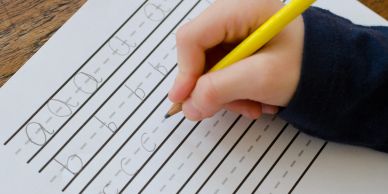
Is your child struggling with handwriting? As a Certified Level I Handwriting Specialist through Handwriting Without Tears, I use a multisensory, evidence-informed approach to make handwriting instruction fun, engaging, and meaningful. Therapy utilizes individualized instruction and hands-on activities focusing on the foundational skills needed for successful handwriting.
Fine Motor Skills
Visual Perceptual Skills
Fine Motor Skills
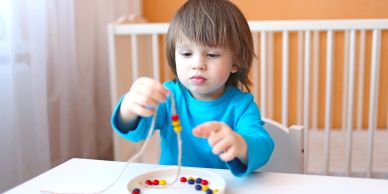
I help children develop the foundational fine motor skills needed for greater independence and success with everyday activities across environments. Using a variety of hands-on activities, manipulatives, games, and therapeutic tools, I work on hand strength, dexterity, in-hand manipulation, bilateral coordination, and efficient grasp patterns through activities such as coloring, handwriting, cutting, gluing, manipulating small objects to grading force, improve precision and control.
Visual Perceptual Skills
Visual Perceptual Skills
Visual Perceptual Skills

Visual perceptual skills help children make sense of what they see and understand how objects, shapes, letters, and information relate to one another. I help children develop skills such as visual discrimination, visual memory, spatial relationships, visual closure, figure-ground, and form constancy. These skills support recognizing letters and numbers, copying information, completing puzzles, finding items in a busy environment, navigating worksheets and successfully participating in everyday activities.
Visual Motor Skills
Visual Perceptual Skills
Visual Perceptual Skills
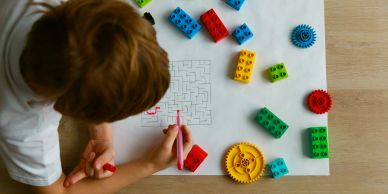
Visual-motor skills allow children to coordinate what they see with how they move their hands. I use engaging, hands-on activities, manipulatives, games, and multisensory techniques to develop visual-motor integration, motor planning, spatial awareness and eye-hand coordination. Therapy may focus on staying within boundaries when coloring, copying shapes and designs, completing mazes and puzzles, cutting along lines, and accurately reproducing visual information.
Sensory Processing and Self-Regulation
Executive Functioning, Planning and Organization
Executive Functioning, Planning and Organization

My approach to sensory processing and self-regulation is individualized and family-centered, helping children better understand and respond to sensory information, emotions, and the demands of their environment. Through education, graded exposure, and therapeutic strategies, I help children develop greater body awareness, emotional regulation and coping skills. I incorporate evidence-informed approaches to help children build practical skills that support successful participation in play, learning, social interactions, and everyday life.
Executive Functioning, Planning and Organization
Executive Functioning, Planning and Organization
Executive Functioning, Planning and Organization

Executive functioning skills help children plan, organize, start, and complete tasks, manage their time, and adapt when things don’t go as expected. I work with children to develop these skills through individualized strategies and engaging in functional activities focusing on organization, task initiation, sequencing, attention, working memory, time management, flexible thinking, and problem-solving to help children become more independent and confident across environments.
Motor Planning and Coordination
Executive Functioning, Planning and Organization
Motor Planning and Coordination
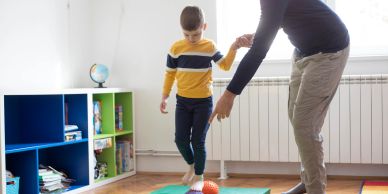
Motor planning is the ability to figure out, plan, and carry out new or unfamiliar movements. I help children develop motor planning, bilateral coordination, body awareness, and coordination through playful, movement-based activities and functional tasks. Therapy may include floor obstacle courses, sequencing movements, ball skills, and activities that challenge children to coordinate both sides of their bodies (bilateral coordination) and carry out multi-step motor tasks with greater confidence and efficiency.
Balance
Activities of Daily Living (ADL's)
Motor Planning and Coordination
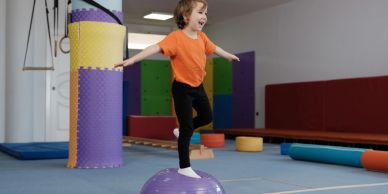
I help children develop the balance and postural control needed to move safely and confidently through their environment. Activities may address static and dynamic balance, core strength, coordination, body awareness, reflex integration and balance reactions through engaging, age-appropriate movement activities. These foundational skills support participation in playground activities, sports, navigating the classroom, and everyday routines.
Activities of Daily Living (ADL's)
Activities of Daily Living (ADL's)
Activities of Daily Living (ADL's)
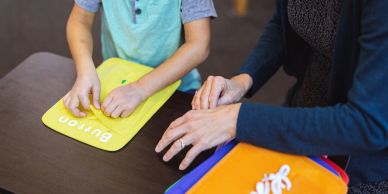
I help children develop greater independence with everyday self-care and daily routines. Therapy may address dressing, fasteners, shoe tying, feeding, utensil use, grooming, toileting routines, and other age-appropriate self-care skills. Through individualized instruction, practice, and problem-solving, children develop the motor, cognitive, and organizational skills needed to participate more independently in daily life.
Functional Participation
Activities of Daily Living (ADL's)
Activities of Daily Living (ADL's)
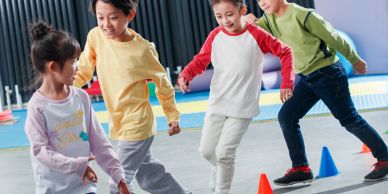
The ultimate goal of pediatric occupational therapy is to help children participate more successfully in the activities that matter to them. I take a child-centered, strengths-based approach to help children apply their skills across real-life environments—including home, school, play, and community activities. Therapy focuses on building confidence, independence, and practical strategies that children and families can carry into their everyday lives.